How often should I exfoliate my face? A gentle NZ guide
Some mornings in Aotearoa feel like they land straight on your skin. A salt breeze. Dry indoor heating. A brisk walk that turns cheeks pink, then tight. If you have ever wondered, how often should I exfoliate my face, you are not alone.
Exfoliation can be a beautiful part of a skincare ritual, but it is also one of the quickest ways to tip skin into dryness and sensitivity if you overdo it. This guide will help you choose a frequency that fits your skin, spot the early signs of too much, and exfoliate in a way that feels gentle and considered.
If you have a diagnosed skin condition or you are using prescription treatments, use this as general guidance and check in with a qualified professional for personalised advice.
Why exfoliation can help, and why it can backfire
Your skin naturally sheds dead cells. When that process slows, skin can look dull, feel rough, and absorb your serums and moisturisers less evenly.
Exfoliation supports that natural renewal by removing loose surface build-up. Done well, it can:
- Smooth uneven texture
- Help makeup sit more evenly
- Brighten the look of tired, dull skin
- Reduce the look of congestion over time
Done too often, exfoliation can create the exact opposite: tightness, stinging, flakiness, and a reactive, unsettled feel. For many people, the right answer is not a stronger exfoliator. It is a calmer schedule.
How often should I exfoliate my face? A simple frequency guide
There is no universal number, but there is a useful range. In NZ climates, where wind, UV, and seasonal dryness can be intense, most people do best with one to three sessions per week, and many sensitive faces are happiest at the lower end.
Use this as a starting point, then adjust based on how your skin feels.
| Skin type or season | A gentle starting frequency | Notes |
|---|---|---|
| Very sensitive-feeling, reactive, or dry | Once weekly | Start low. Keep pressure light. Increase only if skin stays comfortable. |
| Normal or combination | One to two times weekly | Two is often plenty for glow with a gentle feel. |
| Oilier or more resilient | Two to three times weekly | If you are using strong actives, stay closer to two. |
| Winter, wind, or lots of indoor heating | Once weekly | Increase moisturising, not exfoliation. |
| Summer, sweaty workouts, heavier SPF | One to two times weekly | Focus on thorough cleansing first. |
The simplest rule: if your skin feels stingy, tight, or flaky, decrease frequency first.
Signs you are exfoliating too often
Over-exfoliation does not always show up as dramatic redness. Often, it looks like everyday skin that feels slightly off.
You might notice:
- Tightness after cleansing, even with a gentle cleanser
- Stinging when you apply products that usually feel fine
- New flakiness around the nose, mouth, or cheeks
- Makeup clinging or sitting patchy
- Breakouts that feel inflamed rather than balanced
- A shiny look on top, but dryness underneath
If any of these show up, pause exfoliation for a week and focus on a calm cleanse plus moisturising. When you reintroduce it, start with once weekly.
Physical vs chemical exfoliation: which is gentler for sensitive skin?
Both can be gentle or harsh, depending on the formula and how you use it.
Gentle physical exfoliation
A well-formulated physical exfoliator uses fine particles, a creamy base, and light pressure. It should feel like a soft polish, not a scrub.
If you are sensitive, look for:
- Very fine particles (no sharp, gritty texture)
- A creamy, cushiony base that reduces friction
- A short massage time (30 to 60 seconds)
Chemical exfoliation (acids)
Acids can be effective, but they are easier to overdo, especially if you also use retinol-style products, vitamin C, or frequent masks.
If you are trying acids, start low and slow. One night weekly is often enough. Avoid stacking multiple exfoliating products in the same week until your skin is stable and comfortable.
A gentle exfoliation ritual (step by step)
If your goal is smooth skin without the stripped feeling, this is a calm template to follow.
- Cleanse first with a gentle, non-foaming cleanser. Our honey cream cleanser is designed to lift the day without tightness.
- Apply exfoliator to damp skin and use light pressure only.
- Massage for 30 to 60 seconds, then rinse with lukewarm water.
- Pat dry, do not rub.
- Moisturise straight away, and keep the rest of the routine simple.
If you exfoliate at night, aim for a quiet, nourishing finish rather than layering multiple actives.
What to do after exfoliating (the 24-hour rule)
Think of exfoliation as a signal to keep everything else calm for the next day.
For the following 24 hours, consider:
- Skipping strong actives if you are easily sensitised
- Keeping cleansing gentle and brief
- Prioritising hydration and comfort
If your skin needs extra support, a simple, barrier-focused step can help. Many people pair exfoliation with a barrier repair serum and then a nourishing moisturiser at night.
One gentle option in our range: Botanical Face Exfoliator
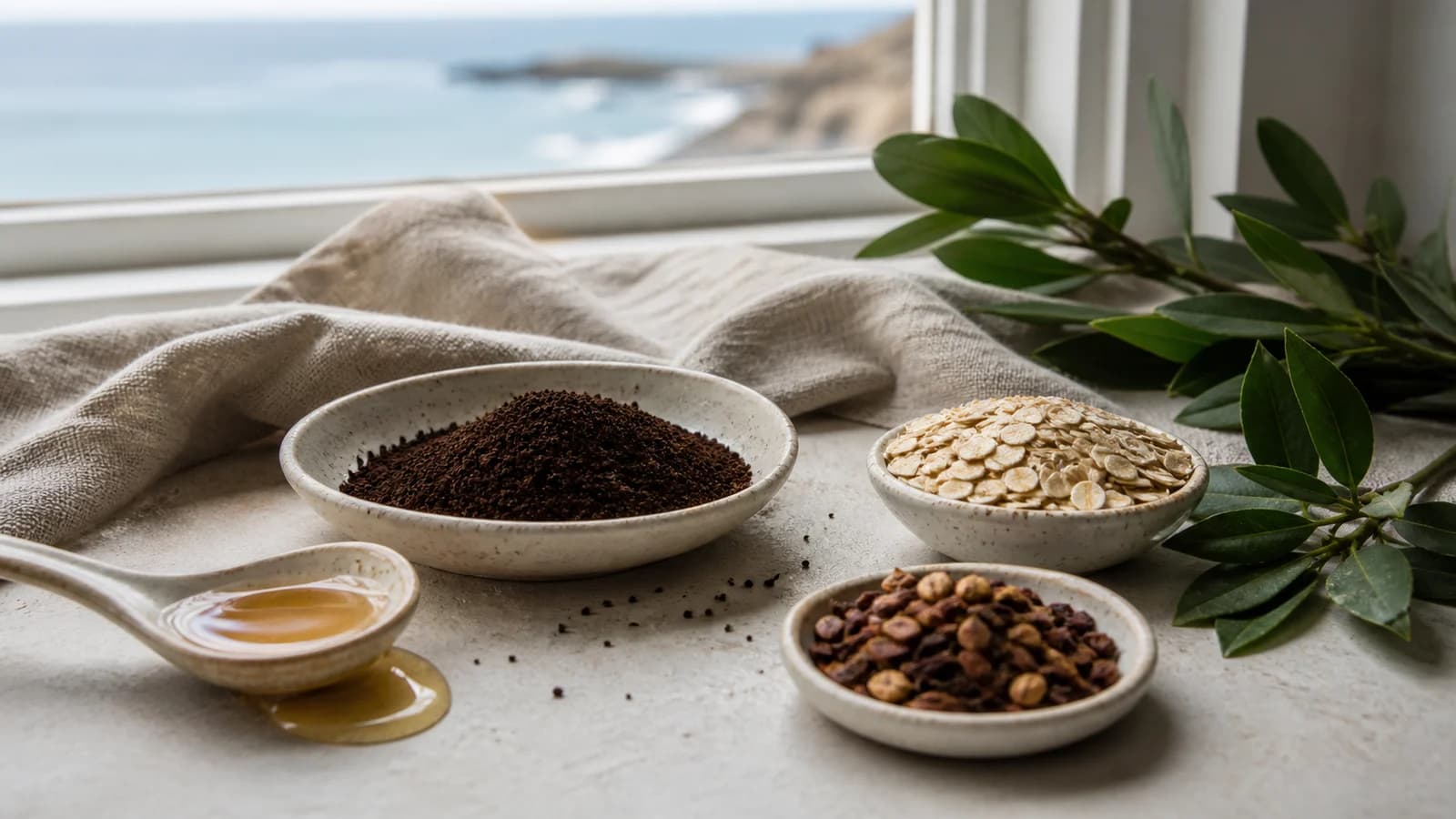
If you prefer a physical exfoliator, our botanical face exfoliator is a cream polish made with finely ground coffee suspended in a honey-based base. It is designed to buff away dull surface skin without harsh abrasives.
Our suggested frequency is one to two times a week for most skin types, starting with once weekly if you are very sensitive-feeling. Keep pressure light, and let the product do the work.
You may also enjoy the deeper Journal story behind it here: the power of our botanical face exfoliator.
If your skin is sensitive-feeling: start here
If your skin flushes easily, stings, or feels dry after washing, approach exfoliation as optional, not essential. You can have glowing skin without frequent exfoliation.
Start with:
- Once weekly, max
- 30 seconds of gentle massage
- No exfoliating cleansers in between
- A simple routine on the other days: gentle cleanse, moisturise, and sunscreen
If your skin is currently unsettled, it can be worth pausing exfoliation altogether and focusing on barrier comfort first. This Journal post may help: a guide to nurturing your skin barrier.
Frequently asked questions
How often should I exfoliate my face if I have very sensitive skin?
Start with once weekly, then reassess after two to three weeks. If your skin stays calm, you can keep it there. Many sensitive faces do best with less, not more.
Should I exfoliate in the morning or at night?
Night is often easiest because you can follow with a nourishing moisturiser and keep the next 24 hours calm. If you exfoliate in the morning, be extra gentle and always finish with sunscreen.
Can I exfoliate if I use retinol or a retinol alternative?
Often, yes, but avoid stacking them on the same night if your skin is easily sensitised. Consider alternating nights and keeping your exfoliation frequency closer to once weekly.
Is a coffee scrub too harsh for the face?
It depends on the grind and the base. Coarse, gritty scrubs can be too much for facial skin. A finely milled coffee exfoliator in a creamy base can feel far gentler when used with light pressure.
What should I use after exfoliating?
Keep it simple: moisturise straight away. If your skin is dry or sensitive-feeling, a barrier-supporting serum plus moisturiser can help skin feel comfortable.
How do I know if I should exfoliate less?
If you notice stinging, tightness, new flakiness, or skin that looks shiny but feels dry, reduce frequency first and focus on gentle cleansing and moisturising for a week.
A quiet close
Exfoliation should feel like a soft reset, not a battle. If you are unsure, choose the gentler option and do it less often. Consistency, not intensity, is what gives skin that steady, healthy look.
If you would like a calm, cream-based polish, explore our natural coffee face scrub and start with once weekly.