Gentle exfoliator for sensitive skin NZ: a calm, practical guide
Some mornings in Aotearoa, you can feel the day on your face before you have even left the house. A salt breeze through an open window. A hot shower. A towel that is a little too brisk. If your skin is sensitive-feeling, those small things add up.
If you have been searching for a gentle exfoliator for sensitive skin NZ, you are not alone. Exfoliation can bring back smoothness and glow, but it can also be the fastest way to tip skin into tightness, stinging, and patchy dryness when it is done too often, or too harshly.
This guide is a calm, practical way to choose an exfoliator, use it with a lighter hand, and keep your skin barrier comfortable in New Zealand’s changeable weather.
Choosing a gentle exfoliator for sensitive skin NZ
When we say “gentle”, we are not talking about a weak product. We are talking about low friction, low irritation, and barrier respect.
A gentle exfoliator for sensitive skin should:
-
Feel cushiony on the skin, not gritty or scratchy
-
Use fine particles (if it is a physical exfoliator) rather than sharp, uneven grains
-
Be used with light pressure and a short massage time
-
Leave skin soft and comfortable after rinsing, not tight or squeaky
-
Fit a schedule that your skin can tolerate week after week
If you have ever exfoliated and then felt sting when you apply moisturiser, that is not a sign you need a stronger exfoliator. It is usually a sign you need a calmer one, and a calmer rhythm.
Do you even need to exfoliate if your skin is sensitive-feeling?
Your skin naturally sheds dead cells. When that process slows, skin can look dull and feel rough, and makeup can sit unevenly. Gentle exfoliation can help, but it is not essential for everyone.
You might benefit from exfoliating if you notice:
-
Flaky patches that return even with regular moisturising
-
Makeup clinging around the nose and chin
-
A rough, slightly bumpy feel on the cheeks or forehead
-
Dullness that does not lift with hydration alone
You can usually skip exfoliation for now if:
-
Your skin is currently stinging, tight, or visibly irritated
-
You are peeling or over-dry (especially in winter or after travel)
-
You have recently introduced active ingredients and your skin is adjusting
When in doubt, pause exfoliation for a week and focus on gentle cleansing and moisturising. Calm skin exfoliates better.
What makes exfoliation feel harsh (and how to avoid it)
Sensitive-feeling skin is not just “reactive skin”. Often it is skin with a barrier that is doing its best, but does not have a lot of spare capacity.
Exfoliation can feel harsh when you stack too many stressors at once:
-
Hot water and long showers
-
A foaming cleanser that leaves skin tight
-
Scrubbing with heavy pressure or for too long
-
Exfoliating too frequently
-
Adding multiple “active” steps on top (strong acids, retinol-style products, masks)
-
Cold wind and dry indoor heating
Gentle exfoliation is less about finding a magic formula, and more about reducing the load everywhere else.
Physical vs chemical exfoliation: which is gentler for sensitive skin?
Both can be gentle or harsh. It depends on the formula, your skin, and how you use it.
Gentle physical exfoliation
A gentle physical exfoliator uses fine particles in a creamy base, and it is guided by your hands. Used with light pressure, it can be a soft polish that rinses cleanly without leaving the skin feeling stripped.
Look for:
-
Very fine particles (no sharp “sand” feel)
-
A cream base that cushions the skin
-
A recommended use of once or twice weekly
Avoid:
-
Coarse grains and gritty scrubs
-
Long massage times
-
Any product that tempts you to scrub harder to “get visible-looking benefits”
Chemical exfoliation (acids)
Chemical exfoliants can be effective, but they can also be easier to overdo, especially if you also use retinol-style products or frequent masks.
If your skin is sensitive-feeling and you want to try acids, keep it simple:
-
Start once weekly
-
Do not stack with other exfoliating products in the same week
-
Watch for early signs of irritation and reduce frequency fast
If acids are a stress point for your skin, a gentle physical polish once weekly may be the calmer choice.
How often should you exfoliate if you are sensitive?
For many sensitive faces, the most effective schedule is also the least exciting:
-
Once weekly is enough for most sensitive-feeling skin.
-
Twice weekly can suit some skin types in summer or in a very stable routine.
-
More than that is rarely needed, and often backfires.
If you want a fuller frequency guide, our Journal post here is a good companion: How often should I exfoliate my face? A gentle NZ guide.
A calm exfoliation ritual (step by step)
If your goal is smooth skin without the “overdone” feeling, use this simple template.
-
Cleanse gently first. A cream cleanser is often the calmest place to start. Our honey cream cleanser is designed to lift the day without a stripped finish.
-
Apply exfoliator to damp skin. Damp skin reduces friction.
-
Use light pressure. Think of polishing a delicate surface, not scrubbing a sink.
-
Keep it short: 30 to 60 seconds. More time is not better.
-
Rinse with lukewarm water, then pat dry (do not rub).
-
Moisturise straight away. Your next step should be comfort.
If your skin is very sensitive-feeling, approach exfoliation like a once-weekly ritual rather than a “fix”. Your visible-looking benefits come from consistency, not intensity.
Before first use, patch test on a small area of skin and wait 24 hours. Do not use on broken, irritated, or freshly sensitised skin, and stop if your skin feels uncomfortable.
What to do after exfoliating (the 24-hour rule)
Exfoliation can make skin feel fresh, but it can also leave it more reactive to extra actives for a day or so.
For the next 24 hours, keep it simple:
-
Gentle cleanse only
-
Hydration and moisturising
-
Skip anything that usually tingles on application
If your skin needs extra support, a barrier-focused step can help. Many people like to follow exfoliation with a barrier-supporting serum, then seal it in with a nourishing moisturiser at night.
One gentle option in our range: Botanical Face Exfoliator
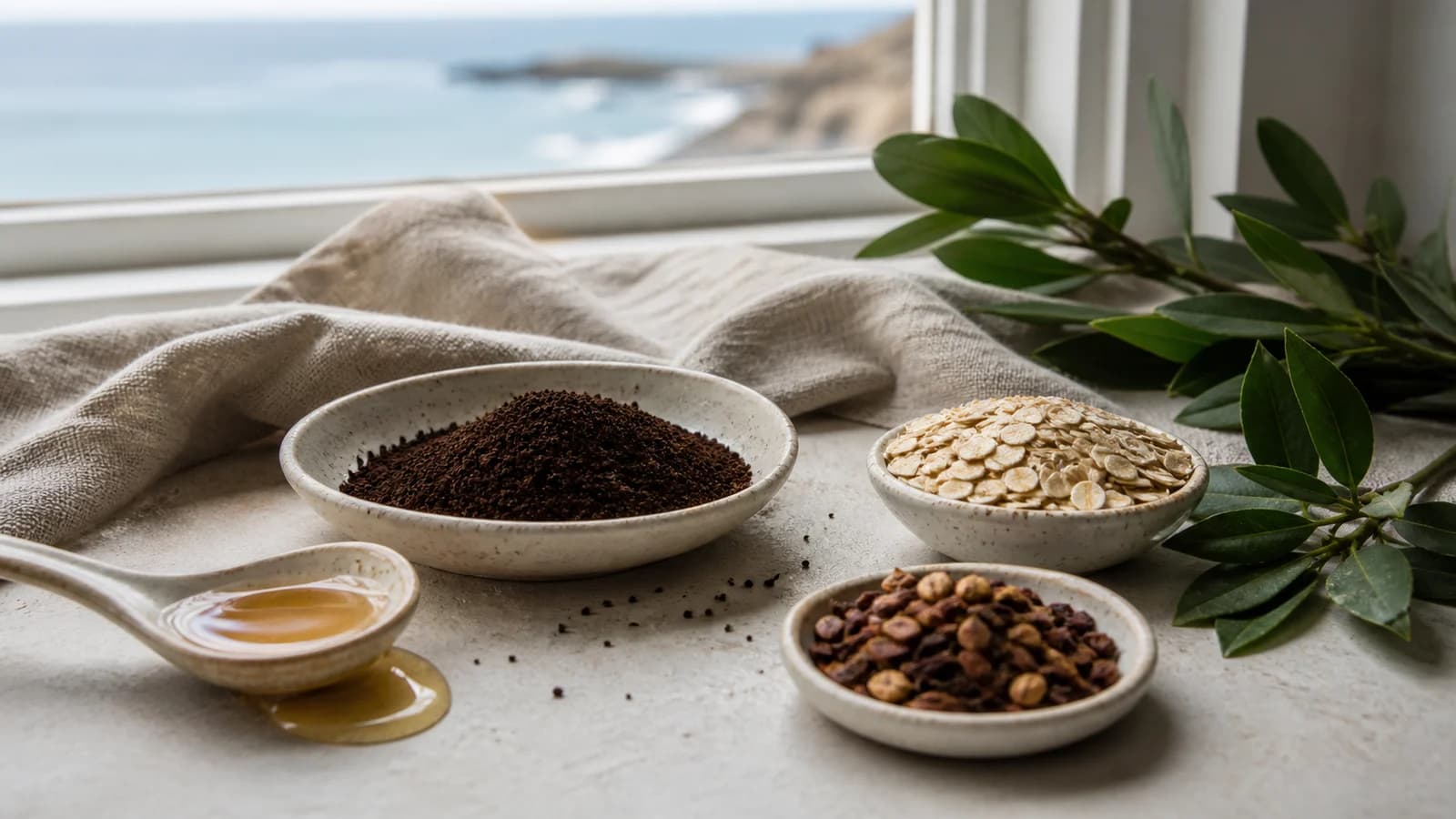
If you prefer a physical exfoliator, our botanical face exfoliator is designed as a cream polish rather than a harsh scrub. It uses finely ground coffee suspended in a honey-based base, so the texture stays soft and cushiony as you massage.
Our suggested frequency is one to two times a week for most skin types. If your skin is very sensitive-feeling, start with once weekly, keep pressure light, and let the product do the work.
Patch test before first use, especially if you have known sensitivities or allergies to honey, bee products, coffee, cinnamon, citrus seed extract, or botanical ingredients.
If you would like the deeper story behind it, you can read it here: The Power of Our Botanical Face Exfoliator.
How to tell if your exfoliator is too much
Over-exfoliation does not always show up as dramatic redness. Often it looks like skin that feels slightly off.
You might notice:
-
Tightness after cleansing, even with gentle products
-
A sting when you apply moisturiser that usually feels fine
-
New flakiness around the nose, mouth, or cheeks
-
Makeup sitting patchy or clinging
-
A shiny look on top, but dryness underneath
If any of these show up, pause exfoliation for a week. Focus on gentle cleansing, moisturising, and barrier comfort. When you reintroduce exfoliation, return at once weekly.
Sensitive-skin exfoliation mistakes (common, and easy to fix)
1) Scrubbing harder instead of changing the product
If you feel you have to work at it, it is usually the wrong exfoliator. Gentle exfoliation should be light.
2) Exfoliating to “fix” dryness
When skin is dry, it is tempting to exfoliate away the flakes. Often the better first move is a gentler cleanse and richer moisturising. Exfoliate later, once skin feels settled.
3) Stacking too many active steps
A calm routine is more effective than a complicated one. If you exfoliate, consider that your active step for the day.
4) Using hot water
Hot water can make sensitive-feeling skin feel more reactive. Lukewarm is kinder.
Frequently asked questions
What is the best gentle exfoliator for sensitive skin in NZ?
The best option is the one your skin can tolerate consistently. Look for a cream-based exfoliator with fine particles, use it once weekly, and keep pressure light. If you prefer acids, start low and slow and avoid stacking multiple exfoliating products.
Can sensitive skin exfoliate at all?
Often, yes. The key is to approach exfoliation as occasional support, not a daily requirement. If your skin is currently stinging, tight, or irritated, pause and focus on barrier comfort first.
Is a coffee face scrub too harsh for the face?
It depends on the grind and the base. Coarse, gritty scrubs can be too much for facial skin. A finely milled coffee exfoliator in a creamy base can feel far gentler when used with light pressure and short contact time.
Should I exfoliate in the morning or at night?
Night is often easiest because you can moisturise and keep the rest of your routine calm. If you exfoliate in the morning, be extra gentle and finish with sunscreen.
What should I use after exfoliating?
Moisturise straight away. If your skin is dry or sensitive-feeling, consider a barrier-supporting serum, then a nourishing moisturiser.
How do I know if I should exfoliate less?
If you notice stinging, tightness, new flakiness, or skin that looks shiny but feels dry, reduce frequency first and simplify your routine for a week.
A quiet close
Exfoliation should feel like a soft reset, not a battle. If you are unsure, choose the gentler option and do it less often. Calm, consistent care is what gives skin that steady, comfortable-looking glow.
If you would like a cream-based polish designed to be kind to sensitive-feeling skin, explore our natural coffee face scrub and start with once weekly.